
Understanding Uterine Polyps
Uterine Polyps are small, benign (non-cancerous) growths that develop on the inner wall of the uterus. They are formed due to an overgrowth of the endometrial tissue — the lining of the uterus — and are more common in women during their reproductive years or after menopause. According to gynecological studies, nearly 10% to 25% of women experience Uterine Polyps at some point in their lifetime.
In Delhi and Delhi NCR, the number of cases being diagnosed early is increasing, thanks to advanced diagnostic tools and awareness campaigns led by experts like Dr. Madhumita Patel, one of the most trusted gynecologists in the region.
How Common Are Uterine Polyps in Reproductive Age?
Women in their 30s to 50s are particularly susceptible to uterine polyps in reproductive age. The hormonal fluctuations — especially an excess of estrogen — play a significant role in their development. Dr. Madhumita Patel explains that women with irregular periods, heavy menstrual bleeding, or spotting between periods should undergo a pelvic ultrasound to rule out the presence of Uterine Polyps.
In many cases, uterine polyps in reproductive age may not show noticeable symptoms and are often discovered during routine gynecological checkups or fertility assessments.
Risk Factors for Uterine Polyps
While any woman can develop polyps, certain risk factors for uterine polyps increase the likelihood, including:
- Hormonal imbalance (especially excess estrogen)
- Obesity or metabolic syndrome
- Polycystic ovary syndrome (PCOS)
- Use of medications like Tamoxifen (for breast cancer)
- High blood pressure or thyroid issues
According to Dr. Madhumita Patel, women with these risk factors for uterine polyps should schedule annual checkups and ultrasound screenings to ensure timely diagnosis and management.
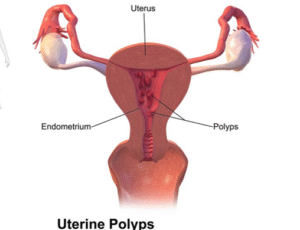
Diagnosis and Uterus Polyp Removal Options
If uterine polyps are suspected, diagnostic tests such as transvaginal ultrasound, hysteroscopy, or biopsy may be performed. Once confirmed, the next step involves uterus polyp removal, which is typically done using minimally invasive techniques.
The most effective method, as advised by Dr. Madhumita Patel, is hysteroscopic polypectomy, a same-day procedure that allows doctors to view and remove polyps precisely without affecting the uterine lining. Women in Delhi NCR can benefit from these advanced, safe, and affordable treatments under her expert care.
Lifestyle and Prevention Tips for Uterine Polyps

While not all Uterine Polyps can be prevented, adopting a healthy lifestyle can reduce risk and support reproductive health. Maintaining a balanced diet, regular exercise, and healthy weight helps regulate hormone levels, which is key in minimizing the chances of developing uterine polyps in reproductive age. Avoiding prolonged use of medications that affect estrogen levels and regular health checkups, as recommended by Dr. Madhumita Patel, can also play a significant role in prevention.
Advanced Care and Follow-Up in Delhi NCR
Treatment of Uterine Polyps is not just about removal; follow-up care is equally important. Post uterus polyp removal, patients are advised to have routine ultrasound scans and gynecological checkups to ensure no recurrence. Clinics in Delhi NCR, under the guidance of Dr. Madhumita Patel, provide comprehensive post-operative care, personalized monitoring plans, and counseling on reproductive health. This ensures that women not only recover quickly but also maintain long-term uterine wellness.
Why Timely Treatment Matters
Ignoring Uterine Polyps can lead to fertility problems, irregular periods, or, in rare cases, cancerous changes. Early diagnosis and uterus polyp removal not only relieve symptoms but also prevent complications. Dr. Madhumita Patel emphasizes that regular screenings, even in the absence of symptoms, can make a significant difference in women’s reproductive health outcomes.
Consult Dr. Madhumita Patel – Leading Gynecologist in Delhi NCR
If you experience irregular bleeding, spotting, or fertility issues, it’s time to consult Dr. Madhumita Patel, an experienced gynecologist in Delhi NCR specializing in the diagnosis and treatment of Uterine Polyps. Her clinic provides comprehensive care, from consultation to minimally invasive uterus polyp removal procedures, ensuring personalized treatment for every woman.
Frequently Asked Questions (FAQs)
- Are Uterine Polyps cancerous?
Most Uterine Polyps are benign, but in rare cases, they may show precancerous or cancerous changes. Regular screening is essential for early detection. - Can uterine polyps affect fertility?
Yes. Especially in uterine polyps in reproductive age, they can interfere with implantation and cause infertility if left untreated. - How is uterus polyp removal performed?
Uterus polyp removal is usually done through a minimally invasive hysteroscopic procedure. It’s safe, effective, and offers quick recovery. - What are the symptoms of Uterine Polyps?
Common symptoms include irregular periods, heavy bleeding, postmenopausal spotting, and pelvic discomfort. However, some women may not experience any symptoms. - Where can I get treatment for Uterine Polyps in Delhi?
You can consult Dr. Madhumita Patel, a reputed gynecologist in Delhi NCR, offering advanced diagnostic and treatment solutions for Uterine Polyps.
Book Your Consultation Today!
Take charge of your reproductive health. If you suspect Uterine Polyps or face unexplained bleeding.
Book an appointment with Dr. Madhumita Patel in Delhi NCR today. Early detection and timely uterus polyp removal can help restore your health and peace of mind.