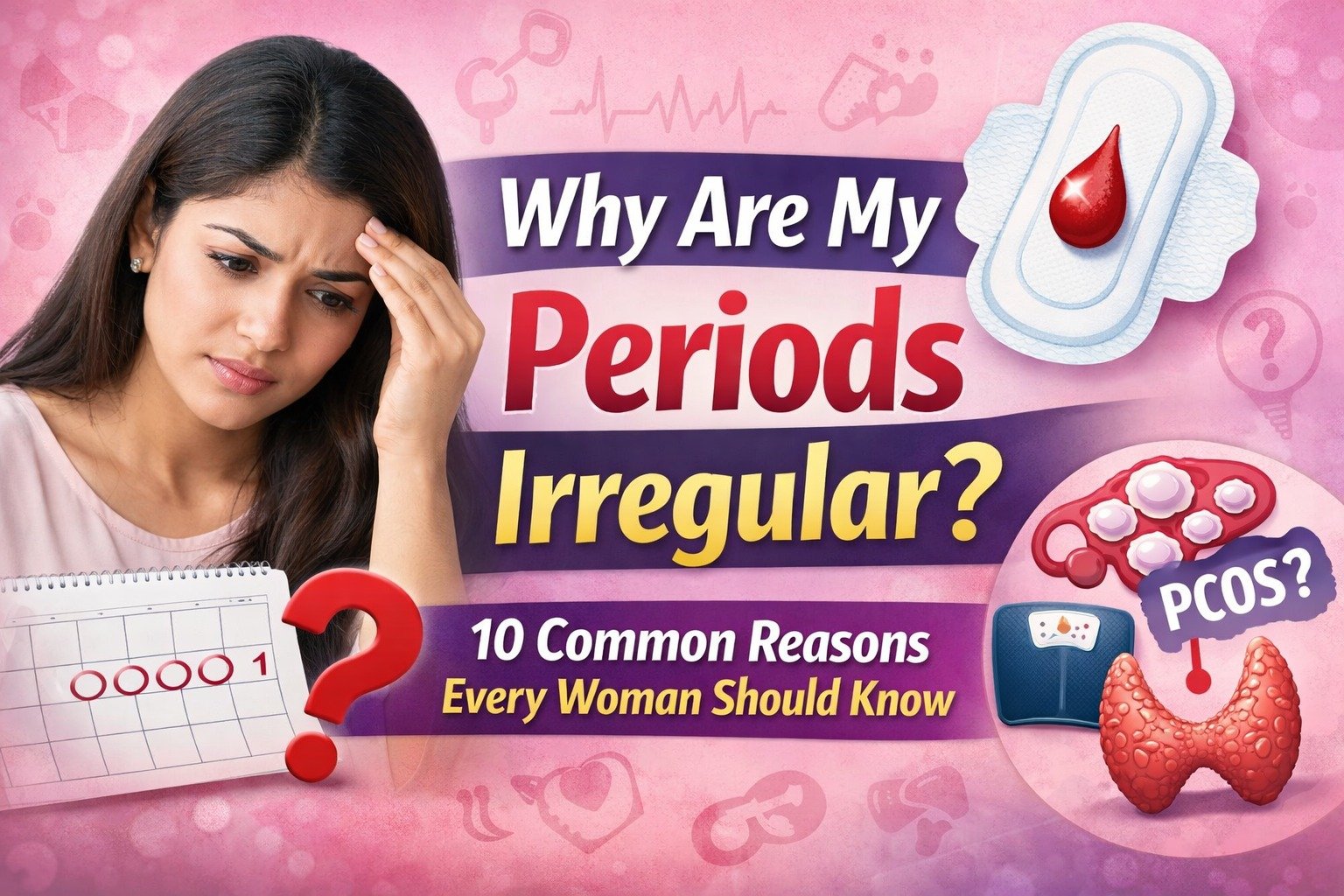
Why Are My Periods Irregular? 10 Common Reasons Every Woman Should Know
Many women experience irregular periods at some point in their lives, and it can be confusing or even worrying. A normal menstrual cycle usually occurs every 21 to 35 days, but when cycles become unpredictable, delayed, or unusually heavy, it may indicate an underlying health issue.
Irregular periods can happen due to hormonal changes, stress, lifestyle factors, or medical conditions. According to gynecologists, occasional irregularity may not be a major concern, but frequent or persistent irregular periods should be evaluated by a specialist.
As commonly explained by gynecologists such as Dr Madhumita Patel, identifying the underlying cause early helps in managing menstrual health and preventing complications related to fertility or hormonal imbalance.
In this article, we explain the 10 most common reasons for irregular periods and when you should consult a gynecologist.
What Are Irregular Periods?
Periods are considered irregular when:
- The menstrual cycle is shorter than 21 days
- The cycle is longer than 35 days
- Periods stop for several months
- Bleeding is extremely heavy or very light
- The cycle changes drastically each month
If these patterns continue for several months, it may be a sign of hormonal imbalance or a gynecological condition.
10 Common Causes of Irregular Periods
1. Hormonal Imbalance
Hormones such as estrogen and progesterone regulate the menstrual cycle. When these hormones become imbalanced, periods may become irregular, delayed, or skipped.
Hormonal imbalance can occur due to:
- Puberty
- Stress
- Thyroid disorders
- Lifestyle changes
2. Polycystic Ovary Syndrome (PCOS)
PCOS is one of the most common causes of irregular periods in women. It occurs when the ovaries produce higher levels of male hormones, which disrupt ovulation. Common symptoms include:
- Irregular periods
- Acne
- Weight gain
- Excessive facial hair
- Difficulty getting pregnant
Early diagnosis and treatment are important for long-term reproductive health.
3. Stress and Lifestyle Changes
High levels of stress can affect the hypothalamus, the part of the brain that regulates menstrual hormones. Stress may cause:
- Delayed periods
- Missed periods
- Lighter or heavier bleeding
Lifestyle changes like sleep disturbances, travel, or sudden routine changes can also affect menstrual cycles.
4. Sudden Weight Loss or Weight Gain
Body weight plays a significant role in hormone production. Extreme weight changes can disrupt ovulation and lead to irregular cycles. Women who experience rapid weight loss, obesity, or eating disorders are more likely to have irregular periods.
5. Thyroid Disorders
The thyroid gland controls metabolism and hormone regulation. Both hypothyroidism and hyperthyroidism can affect menstrual cycles and cause irregular bleeding, heavy periods, or missed periods. A simple blood test can help diagnose thyroid problems.
6. Excessive Exercise
While regular exercise is healthy, extreme physical activity can disrupt hormone levels. This is commonly seen in athletes, marathon runners, and women doing intense workouts without proper nutrition.
7. Birth Control Pills
Hormonal contraceptives may sometimes cause irregular spotting, delayed periods, or missed cycles. These effects usually stabilize after a few months, but persistent irregularities should be evaluated by a gynecologist.
8. Perimenopause
Women approaching their 40s and early 50s may experience irregular periods due to hormonal fluctuations associated with perimenopause. Symptoms may include irregular cycles, hot flashes, and mood changes.
9. Uterine Conditions
Certain uterine conditions may also lead to irregular bleeding, such as fibroids, polyps, and endometriosis. These conditions may require medical evaluation and treatment.
10. Pregnancy
A missed period is often the first sign of pregnancy. If your period is late and you are sexually active, taking a pregnancy test is recommended.
When Should You See a Gynecologist?
While occasional irregular periods may not be serious, medical consultation is recommended if you experience:
- Periods stopping for more than 3 months
- Very heavy bleeding
- Severe pelvic pain
- Irregular cycles for several months
- Difficulty conceiving
Gynecologists typically recommend early evaluation to identify the cause and start appropriate treatment. As often advised by specialists such as Dr Madhumita Patel, maintaining regular gynecological checkups helps in detecting menstrual and hormonal issues early.
How Are Irregular Periods Treated?
Treatment depends on the underlying cause. Common treatment approaches may include:
- Lifestyle and dietary changes
- Hormonal therapy
- PCOS management
- Thyroid treatment
- Stress management
A personalized treatment plan ensures better hormonal balance and improved menstrual health.
Tips to Maintain a Regular Menstrual Cycle
You can support menstrual health by:
- Maintaining a healthy weight
- Managing stress levels
- Exercising regularly
- Eating a balanced diet
- Getting adequate sleep
Regular health checkups also help monitor reproductive health effectively.
Conclusion
Irregular periods are a common concern for many women, but they should not be ignored if they occur frequently. Understanding the causes of irregular menstrual cycles can help in seeking timely medical advice and appropriate treatment.
Gynecologists emphasize that early diagnosis of hormonal or reproductive issues can significantly improve overall health and fertility outcomes. Women experiencing persistent irregular periods should consider consulting an experienced gynecologist such as Dr Madhumita Patel for proper evaluation and personalized care.
Looking for expert gynecological care? Contact Dr Madhumita Patel today!!!
Call Now:
+91 9870267117,
+91 8287939446
Clinic Address:
Dr. Madhumita's Women Healthcare, 2441, D-2, Near Exit Gate 2, Vasant Kunj