What Are Fibroids?
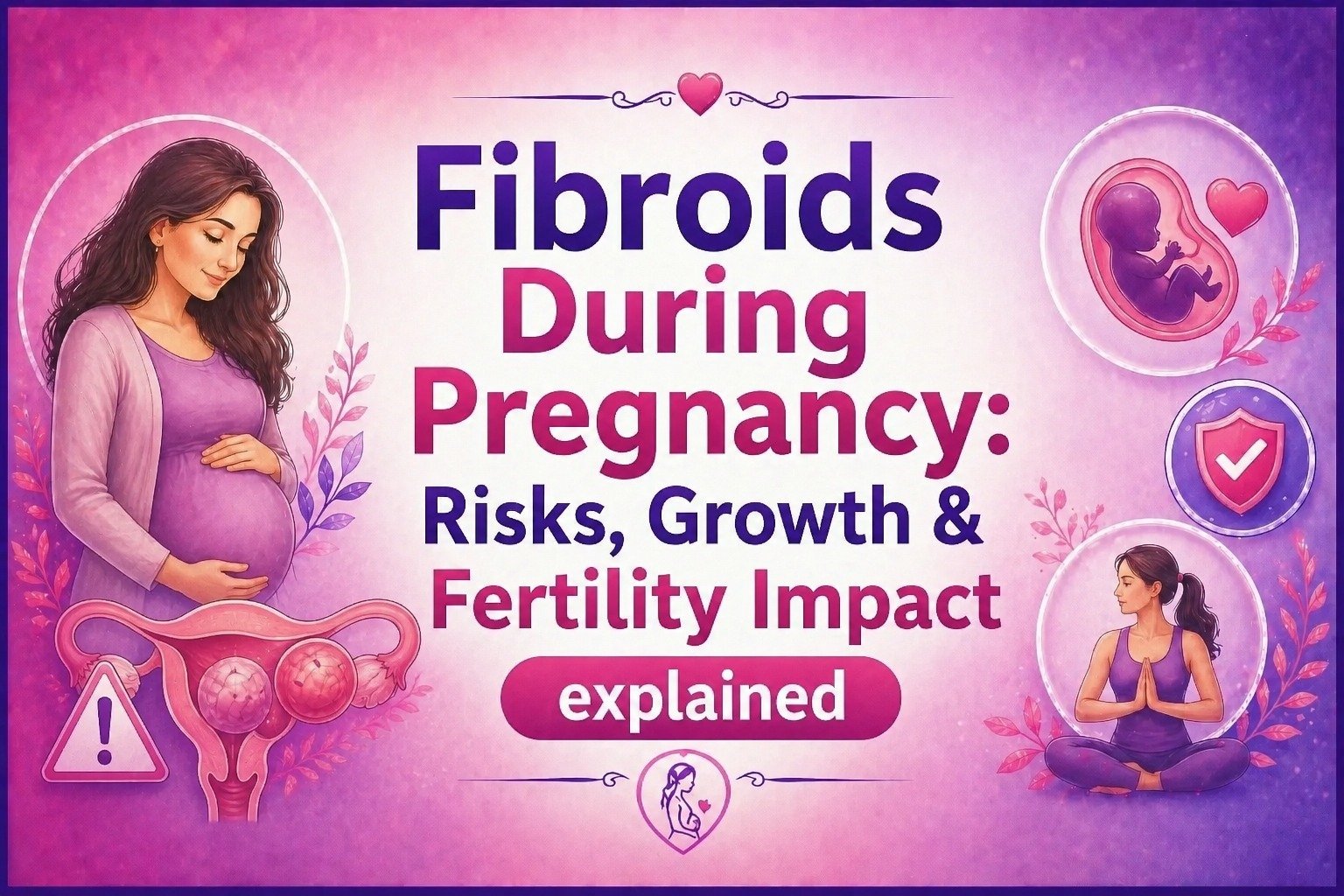
Fibroids, also known as uterine fibroids, are non-cancerous growths that develop in or around the uterus. They vary in size, number, and location.
Some women may not even know they have fibroids until pregnancy scans reveal them. Others may already be managing symptoms like heavy periods or pelvic discomfort.
How Common Are Fibroids During Pregnancy?
Fibroids are quite common among women of reproductive age. Studies suggest that 2–10% of pregnant women may have fibroids.
Not all fibroids affect pregnancy, but their size and position play a crucial role.
Do Fibroids Grow During Pregnancy?
One of the most frequently asked questions is whether fibroids increase in size during pregnancy. Here's what typically happens:
- Fibroids may grow during the first trimester due to increased estrogen levels
- Growth usually stabilizes later in pregnancy
- Some fibroids may even shrink after delivery
However, growth patterns vary from person to person.
Risks of Fibroids During Pregnancy
While many women with fibroids have completely healthy pregnancies, there are certain risks to be aware of. Possible complications include:
- Pain and Discomfort: Fibroids can outgrow their blood supply, leading to degeneration and severe abdominal pain.
- Miscarriage Risk: Large or multiple fibroids may slightly increase miscarriage risk, especially if they distort the uterine cavity.
- Placental Issues: Fibroids can interfere with placental attachment, leading to complications like placental abruption.
- Preterm Labor: In some cases, fibroids may trigger early contractions.
- Delivery Complications: Fibroids located near the cervix can obstruct vaginal delivery, increasing the likelihood of a C-section.
Fibroids and Baby Growth
Most fibroids do not directly affect the baby's development. However, in rare cases:
- Large fibroids may restrict space in the uterus
- This can lead to abnormal fetal positioning
Regular ultrasound monitoring helps ensure the baby is growing normally.
Can Fibroids Affect Fertility?
Yes, fibroids can sometimes impact fertility—but not always. Fibroids may affect conception if they:
- Block fallopian tubes
- Distort the uterine cavity
- Interfere with embryo implantation
That said, many women with fibroids conceive naturally without any complications.
Managing Fibroids During Pregnancy
Treatment options are limited during pregnancy because surgery is usually avoided unless absolutely necessary. Safe management strategies include:
- Regular prenatal check-ups
- Monitoring fibroid size via ultrasound
- Pain management under medical supervision
- Maintaining a healthy lifestyle
An experienced gynecologist will guide you through personalized care.
When Should You See a Specialist?
You should consult a specialist if you experience:
- Severe abdominal pain
- Heavy bleeding
- Rapid fibroid growth
- Difficulty conceiving
Early evaluation ensures timely intervention and reduces complications.
Why Choose Dr. Madhumita Patel for Fibroid Care During Pregnancy
Every pregnancy is unique, especially when fibroids are involved. Dr. Madhumita Patel's clinic in Vasant Kunj offers:
- Accurate diagnosis and personalized treatment plans
- Advanced ultrasound monitoring throughout pregnancy
- Comprehensive women's health care
- Compassionate, continuous support throughout your pregnancy journey
With proper monitoring and expert guidance, most women go on to have safe pregnancies and healthy babies.
Conclusion
Fibroids during pregnancy can sound alarming, but in most cases, they are manageable with the right care. Understanding their risks, growth patterns, and impact on fertility allows you to stay proactive and confident.
If you're planning a pregnancy or already expecting, don't ignore symptoms—timely consultation can make all the difference.
If you are looking for the best gynecologist in Delhi? Contact Dr. Madhumita Patel today!!!
Call Now: +91 9870267117, +91 8287939446
Clinic Address: Dr. Madhumita's Women Healthcare, 2441, D-2, Near Exit Gate 2, Vasant Kunj