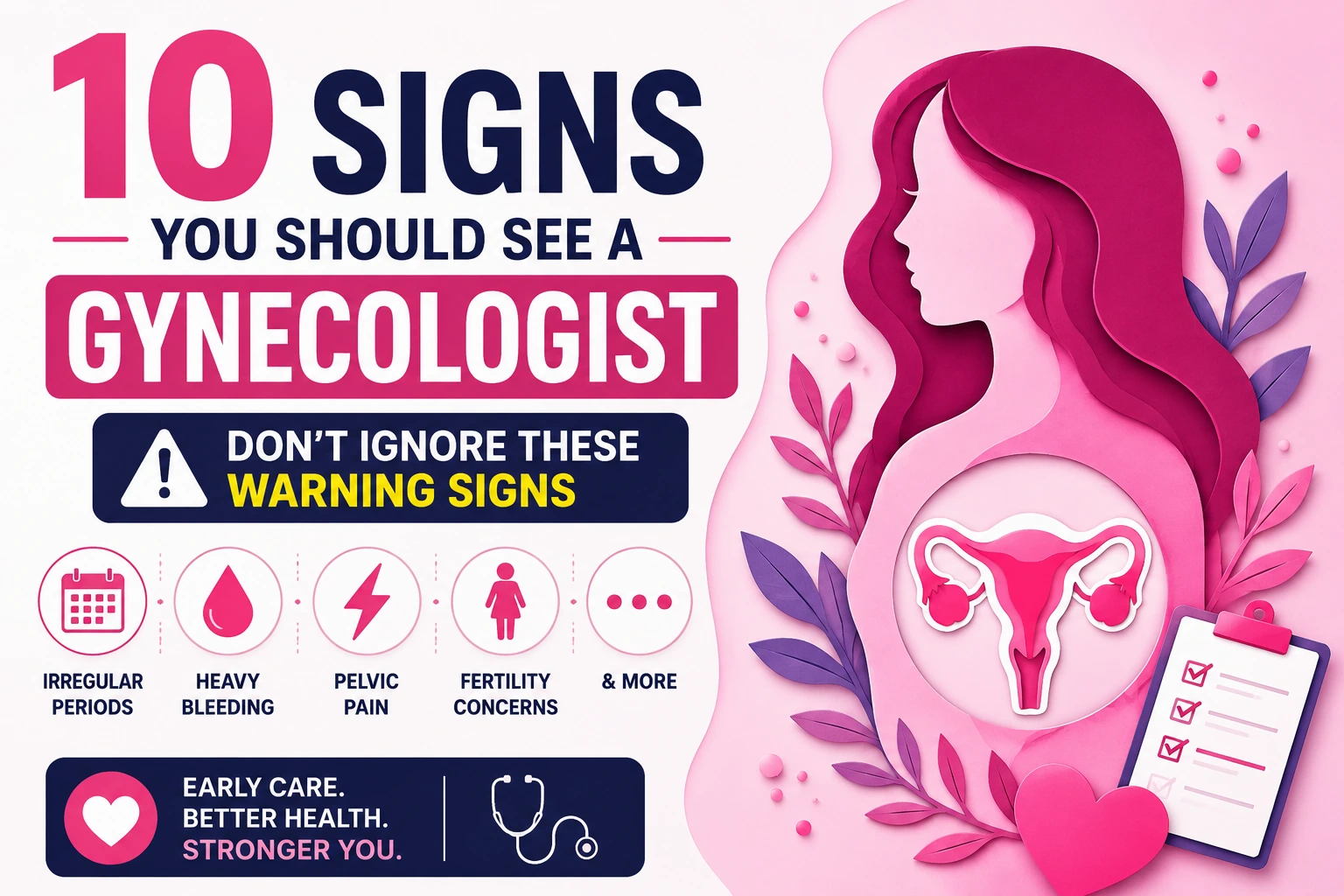
10 Signs You Should See a Gynecologist: Don't Ignore These Women's Health Warning Signs
Women's health needs change throughout life, from adolescence and reproductive years to menopause and beyond. While routine gynecological checkups are essential, many women delay seeking medical advice until symptoms become severe. Recognizing the early warning signs can help prevent complications, improve treatment outcomes, and support long-term reproductive health.
As experienced gynecologists often emphasize, early diagnosis and timely medical intervention play a crucial role in maintaining overall well-being. Healthcare professionals such as Dr. Madhumita Patel advocate for preventive women's healthcare and encourage women to seek expert guidance whenever they notice unusual symptoms.
In this guide, we'll discuss 10 important signs that indicate you should schedule an appointment with a gynecologist.
Why Regular Gynecological Care Matters
Routine gynecological care helps detect health concerns early, including hormonal disorders, infections, reproductive health conditions, and certain cancers. Regular visits also provide opportunities to discuss family planning, pregnancy care, menstrual health, and menopause management.
Seeking care from a qualified gynecologist can help you:
- Prevent serious health complications
- Manage reproductive and hormonal health
- Detect cervical abnormalities early
- Address fertility concerns
- Receive personalized women's healthcare advice
1. Irregular Menstrual Cycles
While occasional changes in menstrual cycles may be normal, consistently irregular periods could indicate underlying health conditions such as:
- Polycystic Ovary Syndrome (PCOS)
- Thyroid disorders
- Hormonal imbalances
- Stress-related menstrual changes
If your periods frequently skip, occur too often, or vary significantly in length, it is advisable to consult a gynecologist.
2. Excessively Heavy Menstrual Bleeding
Heavy menstrual bleeding is not something you should simply tolerate. Warning signs include:
- Needing to change pads or tampons every 1–2 hours
- Passing large blood clots
- Menstrual bleeding lasting longer than seven days
- Fatigue or dizziness due to blood loss
Heavy periods may indicate fibroids, endometriosis, hormonal disorders, or other gynecological conditions requiring medical evaluation.
3. Severe Menstrual Pain
Mild discomfort during menstruation is common, but debilitating pain is not. Seek medical attention if:
- Pain disrupts daily activities
- Over-the-counter medications provide little relief
- Symptoms worsen over time
Conditions such as endometriosis, adenomyosis, or pelvic inflammatory disease may be responsible.
4. Unusual Vaginal Discharge
Changes in vaginal discharge can signal infection or other health concerns. You should seek medical advice if discharge becomes:
- Foul-smelling
- Green, yellow, or gray in color
- Accompanied by itching or burning
- Excessively thick or unusual in consistency
Early treatment can prevent complications and improve comfort.
5. Pelvic Pain or Pressure
Persistent pelvic discomfort should never be ignored. Potential causes include:
- Ovarian cysts
- Endometriosis
- Fibroids
- Pelvic infections
If pelvic pain continues for several days or becomes severe, a gynecological evaluation is recommended.
6. Pain During Intercourse
Painful sexual intercourse can significantly affect physical and emotional well-being. Possible causes include:
- Vaginal infections
- Hormonal changes
- Endometriosis
- Pelvic floor disorders
A gynecologist can identify the underlying cause and recommend appropriate treatment options.
7. Difficulty Getting Pregnant
Many couples conceive naturally within a year of trying. However, fertility evaluation may be necessary if:
- You are under 35 and have tried for 12 months without success
- You are over 35 and have tried for 6 months without success
- You have known reproductive health conditions
Early fertility assessment can improve the chances of successful treatment.
8. Symptoms of Menopause
Perimenopause and menopause can cause significant hormonal changes. Common symptoms include:
- Hot flashes
- Night sweats
- Mood swings
- Sleep disturbances
- Vaginal dryness
A gynecologist can help develop a personalized menopause management plan.
9. Abnormal Bleeding Between Periods
Bleeding between menstrual cycles is not considered normal. Potential causes include:
- Hormonal fluctuations
- Uterine polyps
- Cervical abnormalities
- Pregnancy-related concerns
Prompt medical evaluation helps rule out serious conditions.
10. You Haven't Had a Gynecological Checkup in Over a Year
Even without symptoms, annual gynecological visits are important for preventive care. Routine screenings may include:
- Cervical cancer screening
- Pap smear testing
- Breast health assessments
- Reproductive health counseling
- Family planning discussions
Preventive healthcare is one of the most effective ways to protect long-term health.
When Should You Schedule a Gynecologist Appointment?
You should consider scheduling a women's health consultation if you experience:
- Irregular periods
- Heavy bleeding
- Severe menstrual pain
- Pelvic discomfort
- Fertility concerns
- Menopause symptoms
- Unusual vaginal discharge
- Pain during intercourse
- Abnormal bleeding
- Missed annual examinations
Early diagnosis often leads to more effective treatment and better health outcomes.
Expert Perspective on Women's Preventive Healthcare
Women's health experts consistently stress the importance of routine gynecological care and early intervention. Experienced specialists such as Dr. Madhumita Patel encourage women to prioritize preventive screenings, reproductive health monitoring, and timely consultations whenever unusual symptoms arise.
Proactive healthcare decisions can significantly improve quality of life and reduce the risk of complications associated with undiagnosed gynecological conditions.
Frequently Asked Questions (FAQs)
1. How often should I visit a gynecologist?
Most women should schedule a gynecological examination at least once a year, even if they have no symptoms.
2. What symptoms should never be ignored?
Heavy bleeding, severe pelvic pain, abnormal bleeding between periods, and unusual vaginal discharge should always be evaluated.
3. Is it normal to have irregular periods occasionally?
Occasional changes may occur due to stress or lifestyle factors, but persistent irregularity requires medical assessment.
4. When should I seek help for period pain?
If pain interferes with daily activities or worsens over time, consult a gynecologist.
5. What causes abnormal vaginal discharge?
Common causes include bacterial infections, yeast infections, sexually transmitted infections, and hormonal changes.
6. Can a gynecologist help with fertility problems?
Yes. Gynecologists can evaluate fertility concerns and recommend appropriate testing and treatment options.
7. At what age should women start seeing a gynecologist?
Most experts recommend the first visit between ages 13 and 15 or when reproductive health concerns arise.
8. Is annual cervical cancer screening necessary?
Screening recommendations vary by age and risk factors, but regular screening remains an essential part of preventive healthcare.
9. Can menopause symptoms be treated?
Yes. Lifestyle modifications, hormonal therapies, and non-hormonal treatments can help manage symptoms.
10. Should I see a gynecologist even if I feel healthy?
Absolutely. Preventive visits help detect health concerns before symptoms develop.
Conclusion
Many gynecological conditions can be successfully managed when identified early. Paying attention to your body's signals and seeking timely medical advice can make a significant difference in your health and well-being.
Whether you're experiencing menstrual irregularities, fertility concerns, menopause symptoms, or simply need a routine checkup, consulting a qualified gynecologist is an important step toward maintaining lifelong reproductive health. Healthcare professionals like Dr. Madhumita Patel continue to emphasize the value of preventive care, early diagnosis, and patient education in supporting women's health at every stage of life.
Ready to prioritize your health? Schedule a gynecology consultation and take the first step toward better reproductive wellness today.
If you are looking for the best gynecologist in Delhi? Contact Dr. Madhumita Patel today!!!
Call Now: +91 9870267117, +91 8287939446
Clinic Address: Dr. Madhumita's Women Healthcare, 2441, D-2, Near Exit Gate 2, Vasant Kunj