PCOS New Name 2026: What PMOS Means for Patients & Your Health
Women's health research continues to evolve, and one of the biggest discussions in gynecology and endocrinology is the proposed shift from Polycystic Ovary Syndrome (PCOS) to PMOS (Poly-Metabolic Ovary Syndrome). While PCOS remains the most widely recognized medical term, healthcare experts worldwide are increasingly advocating for terminology that better reflects the condition's complexity and long-term health impact.
For millions of women living with PCOS, the proposed PMOS terminology is more than a name change—it represents a deeper understanding of how the condition affects hormones, metabolism, fertility, cardiovascular health, and overall well-being.
In this article, Dr. Madhumita Patel explains what PMOS means, why experts are discussing this change, and what patients need to know about managing their health effectively.
Understanding PCOS: More Than an Ovarian Disorder
PCOS is one of the most common hormonal disorders affecting women of reproductive age. Traditionally, the condition was named based on the presence of multiple small follicles (often called "cysts") in the ovaries.
However, over time, researchers discovered the following:
- Many women with PCOS do not have ovarian cysts.
- The condition affects far more than the ovaries.
- Insulin resistance is a major underlying factor in many cases.
- PCOS increases the risk of diabetes, obesity, infertility, cardiovascular disease, and mental health challenges.
As a result, experts began questioning whether the name "Polycystic Ovary Syndrome" accurately describes the condition.
What Does PMOS Stand For — And What Does It Mean?
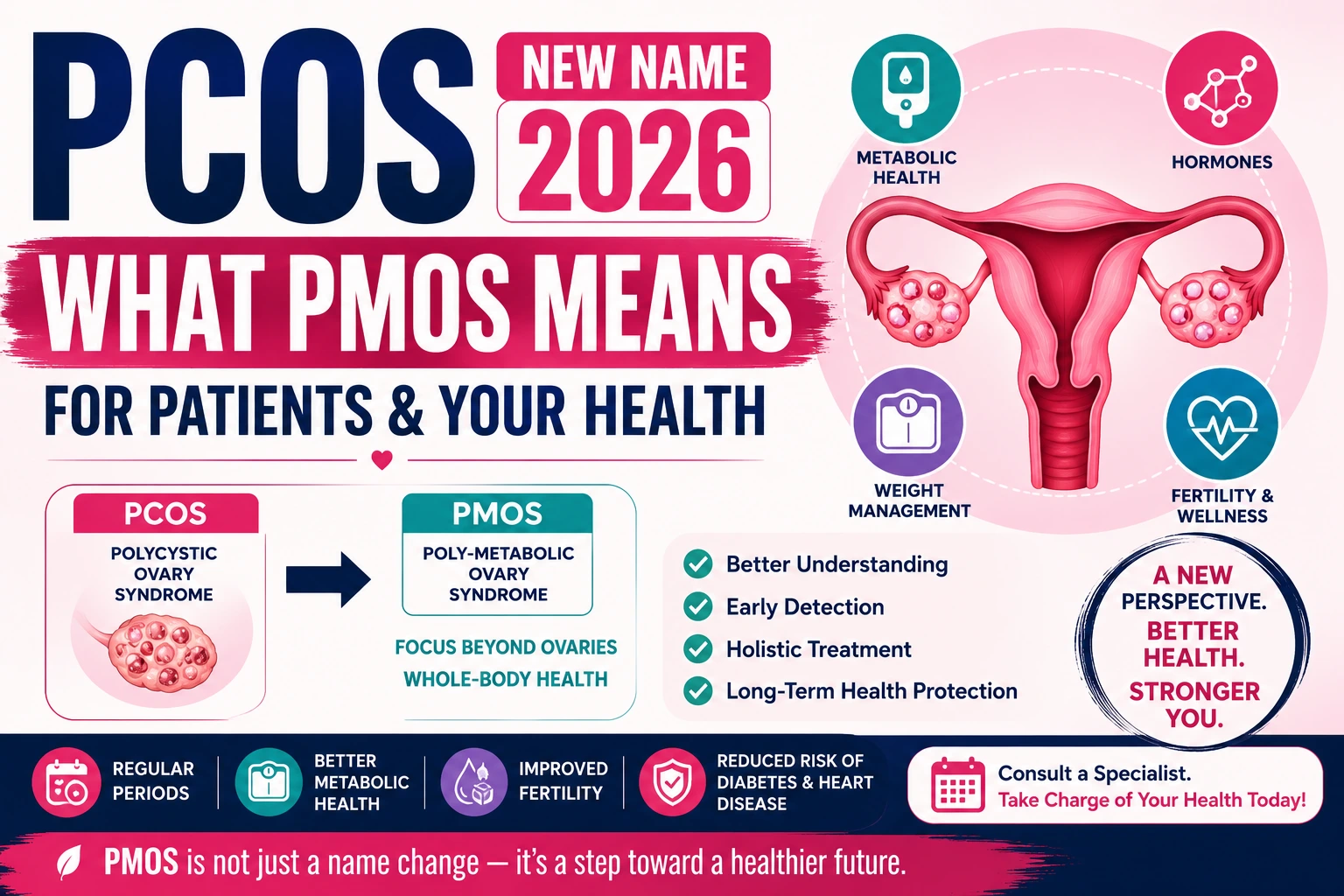
PMOS stands for Poly-Metabolic Ovary Syndrome. The proposed name highlights the significant metabolic abnormalities associated with the condition rather than focusing solely on ovarian appearance.
PCOS vs PMOS: Understanding the Difference
The proposed PMOS terminology acknowledges that the condition affects multiple body systems and requires comprehensive medical management. Key differences include:
- Primary Focus: PCOS centers on ovarian cysts and reproductive symptoms, while PMOS focuses on metabolic and hormonal dysfunction.
- Insulin Resistance: PCOS reflects this partially; PMOS reflects it strongly.
- Diabetes & Cardiovascular Risk: PMOS highlights these risks more effectively than PCOS.
- Whole-Body Health: PMOS offers a more comprehensive view compared to the moderate focus of PCOS.
- Official Usage: PCOS is widely accepted; PMOS is emerging and under discussion.
Why Are Experts Considering a Name Change?
The push for changing PCOS to PMOS comes from growing scientific evidence showing that the condition extends beyond reproductive health.
1. The Term "Polycystic" Can Be Misleading
Many women diagnosed with PCOS do not actually have ovarian cysts. The small follicles seen on ultrasound are often immature eggs rather than true cysts. This can create confusion and unnecessary anxiety for patients.
2. Metabolic Health Plays a Major Role
Insulin resistance affects a significant proportion of women with PCOS. This metabolic dysfunction can contribute to:
- Weight gain and difficulty losing weight
- Prediabetes and Type 2 diabetes
- High cholesterol
- Fatty liver disease
The term PMOS better reflects these underlying metabolic challenges.
3. Better Patient Education
A name that highlights metabolic health may encourage earlier intervention and lifestyle modification, helping reduce long-term complications.
Common Symptoms Associated with PCOS/PMOS
Although terminology may evolve, the symptoms remain largely the same. Women may experience:
Irregular Menstrual Cycles
- Infrequent or missed periods
- Heavy menstrual bleeding
Signs of High Androgen Levels
- Excess facial or body hair growth
- Acne and scalp hair thinning
Metabolic Symptoms
- Weight gain and difficulty losing weight
- Increased abdominal fat
- Fatigue and sugar cravings
Fertility Challenges
- Irregular ovulation
- Difficulty conceiving
- Recurrent pregnancy complications in some cases
How PMOS Impacts Overall Health
One reason the proposed PMOS terminology is gaining attention is because it emphasizes long-term health risks that many patients may not associate with PCOS.
Increased Risk of Type 2 Diabetes
Insulin resistance can lead to elevated blood sugar levels and eventually diabetes if left unmanaged.
Cardiovascular Health Concerns
Women with PCOS often have high cholesterol, elevated triglycerides, increased blood pressure, and chronic inflammation — factors that may increase future cardiovascular risk.
Mental Health Effects
Research has shown higher rates of anxiety, depression, low self-esteem, and body image concerns among women with PCOS. Addressing mental well-being is an important part of comprehensive care.
Diagnosis: Has Anything Changed?
Currently, healthcare providers still diagnose PCOS using established clinical criteria. Diagnosis may involve:
- Detailed medical history and menstrual cycle assessment
- Physical examination
- Hormonal blood tests and blood sugar evaluation
- Lipid profile testing
- Pelvic ultrasound when necessary
Whether the condition is referred to as PCOS or PMOS, the diagnostic approach remains focused on identifying hormonal, metabolic, and reproductive abnormalities.
Treatment Approaches for PCOS and PMOS
There is no one-size-fits-all treatment because every woman's symptoms and goals are different.
Lifestyle Modifications
Lifestyle management remains the foundation of treatment. A balanced diet focusing on high-fiber foods, lean protein, healthy fats, and reduced processed sugars can help improve insulin sensitivity. Regular exercise supports weight management, improved insulin response, better hormonal balance, and enhanced cardiovascular health.
Medical Management
Depending on symptoms, treatment may include:
- Hormonal therapies
- Medications to improve insulin sensitivity
- Ovulation-inducing medications
- Acne and hair growth treatments
Treatment plans should always be individualized under the guidance of a qualified gynecologist.
Fertility and PMOS: What Women Should Know
Many women worry that a PCOS diagnosis means they cannot become pregnant. The reality is encouraging — with proper treatment and ovulation management, many women with PCOS successfully conceive and have healthy pregnancies.
Early evaluation is particularly important if you are trying to conceive, your menstrual cycles are irregular, or you have experienced previous fertility challenges. Timely intervention can significantly improve reproductive outcomes.
When Should You Consult a Gynecologist?
You should seek medical evaluation if you experience:
- Irregular periods
- Excessive facial hair growth
- Persistent acne
- Unexplained weight gain
- Difficulty getting pregnant
- Symptoms of insulin resistance
Early diagnosis can help prevent long-term complications and improve quality of life.
Expert Perspective from Dr. Madhumita Patel
As women's health specialists continue to learn more about PCOS, the discussion around PMOS reflects a broader understanding of the condition. Whether it is called PCOS or PMOS, the key message remains the same: this is not just an ovarian condition — it is a complex hormonal and metabolic disorder that deserves comprehensive evaluation and personalized care.
At Dr. Madhumita Patel's clinic, patients receive evidence-based assessment and individualized treatment plans designed to address reproductive health, metabolic wellness, and long-term disease prevention.
Frequently Asked Questions (FAQs)
1. Is PCOS officially renamed to PMOS in 2026?
The term PMOS is currently being discussed and supported by some experts to better reflect the metabolic nature of the condition. However, PCOS remains the most widely recognized and commonly used medical term.
2. Why is the name PCOS considered misleading?
Many women diagnosed with PCOS do not have actual ovarian cysts. The condition also affects hormones, metabolism, and overall health, not just the ovaries.
3. Does PMOS change how the condition is treated?
No. The principles of diagnosis and treatment remain largely the same. The proposed name primarily aims to improve understanding of the condition.
4. Can women with PCOS or PMOS get pregnant?
Yes. Many women with PCOS successfully conceive with appropriate medical guidance, lifestyle changes, and fertility treatment when needed.
5. Is insulin resistance present in all women with PCOS?
Not all women have insulin resistance, but it is very common and plays a major role in many cases.
6. Can PCOS be cured permanently?
There is currently no permanent cure, but symptoms can often be effectively managed through lifestyle modifications, medication, and regular medical follow-up.
7. Does weight loss help with PCOS symptoms?
For women who are overweight, even modest weight reduction can improve insulin sensitivity, menstrual regularity, and fertility outcomes.
Conclusion
The growing discussion around PMOS (Poly-Metabolic Ovary Syndrome) represents an important shift in how healthcare professionals view PCOS. Rather than focusing solely on ovarian findings, PMOS highlights the broader metabolic and hormonal effects that influence a woman's overall health.
While the terminology may evolve, the importance of early diagnosis, personalized treatment, healthy lifestyle habits, and ongoing medical care remains unchanged. If you are experiencing irregular periods, fertility concerns, unexplained weight gain, or symptoms suggestive of PCOS, consulting an experienced gynecologist can help you take control of your health and prevent future complications.
Book a consultation with Dr. Madhumita Patel today for a comprehensive PCOS evaluation and personalized treatment plan tailored to your needs.
If you are looking for the best gynecologist in Delhi? Contact Dr. Madhumita Patel today!!!
Call Now: +91 9870267117, +91 8287939446
Clinic Address: Dr. Madhumita's Women Healthcare, 2441, D-2, Near Exit Gate 2, Vasant Kunj