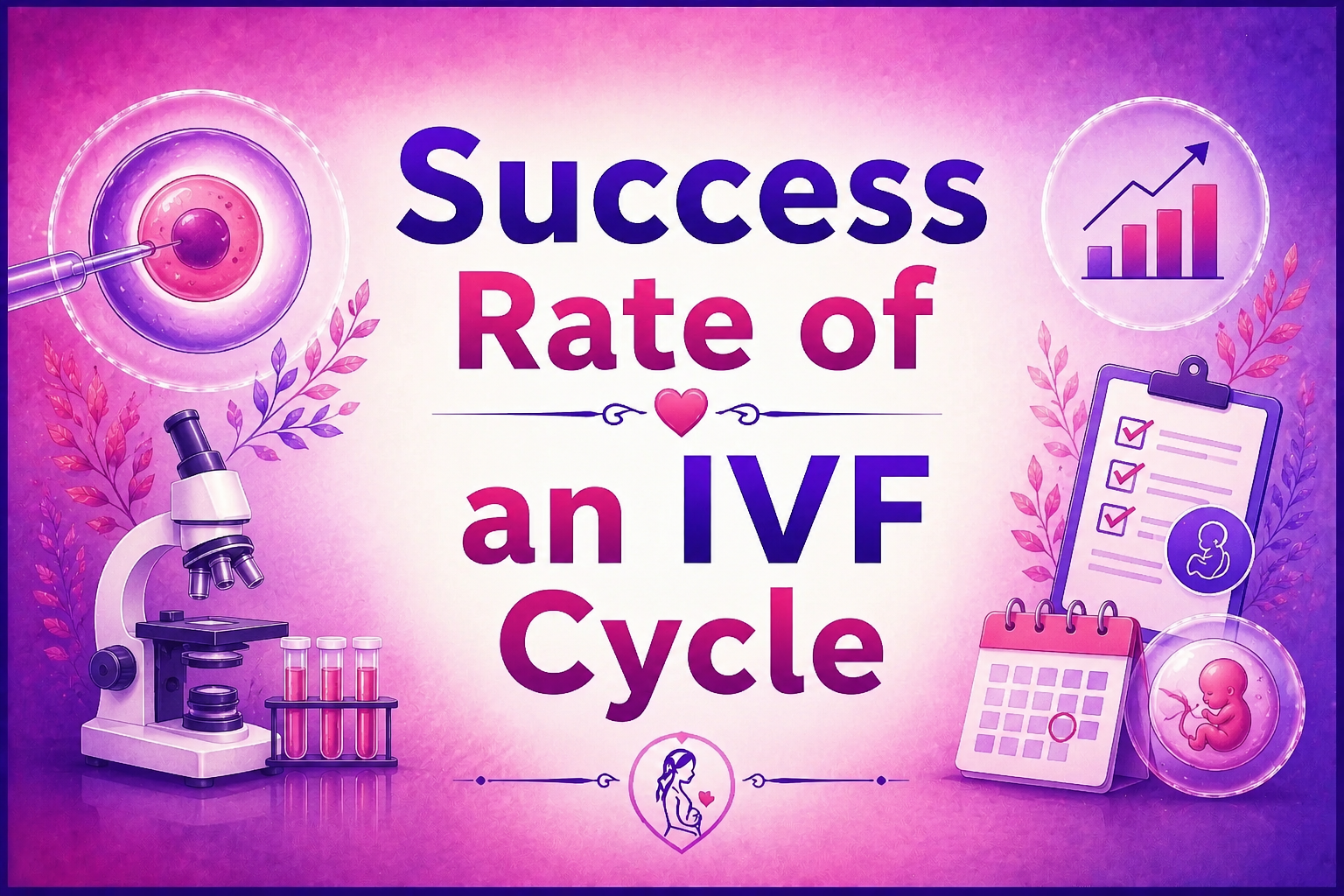
Success Rate of an IVF Cycle
Infertility can feel emotionally overwhelming for couples who are trying to conceive naturally for a long time. Fortunately, advancements in reproductive medicine have made fertility treatments more successful than ever before. Among these treatments, IVF has emerged as one of the most effective options for couples struggling with infertility.
Understanding the Success Rate of an IVF Cycle is important before beginning treatment. Many patients assume IVF guarantees pregnancy in one attempt, but the reality is more complex. IVF success depends on multiple medical and lifestyle factors that influence the outcome of each cycle.
At Dr Madhumita Patel, patients receive individualized fertility care designed to improve pregnancy outcomes through evidence based treatment and compassionate support.
What Is IVF?
In Vitro Fertilization, commonly known as IVF, is an advanced fertility treatment in which eggs are retrieved from the ovaries and fertilized with sperm in a laboratory. Once fertilization occurs, healthy embryos are transferred into the uterus to achieve pregnancy.
IVF is often recommended for couples facing conditions such as:
- Blocked fallopian tubes
- Male infertility
- Ovulation disorders
- Endometriosis
- Unexplained infertility
- Advanced maternal age
The procedure involves several carefully monitored steps including ovarian stimulation, egg retrieval, fertilization, embryo culture, and embryo transfer.
What Is the Success Rate of an IVF Cycle?
The Success Rate of an IVF Cycle generally refers to the percentage of IVF treatments that result in pregnancy or live birth. Success rates vary from patient to patient because every fertility journey is unique.
On average, younger women tend to have higher IVF success rates due to better egg quality and ovarian reserve. However, advances in fertility science now allow many women in their late thirties and forties to achieve successful pregnancies as well.
IVF Success Rate by Age
Age remains one of the most important factors affecting IVF outcomes.
| Age Group | Approximate IVF Success Rate |
|---|---|
| Under 35 years | 50% to 60% |
| 35 to 37 years | 40% to 50% |
| 38 to 40 years | 25% to 35% |
| Above 40 years | 10% to 20% |
These figures may differ depending on individual health conditions, embryo quality, and clinic expertise.
Factors Affecting IVF Success
1. Age of the Woman
Female age strongly influences fertility potential. Younger women generally produce healthier eggs, leading to stronger embryos and improved implantation rates.
2. Egg and Sperm Quality
Healthy eggs and sperm are essential for successful fertilization. Poor egg quality or low sperm count may reduce the chances of embryo development.
3. Embryo Quality
Embryologists carefully evaluate embryo development before transfer. High quality embryos have a greater chance of implantation and successful pregnancy.
4. Uterine Health
A healthy uterus is necessary for embryo implantation. Conditions such as fibroids, polyps, or untreated infections may affect IVF treatment success.
5. Lifestyle Habits
Smoking, alcohol consumption, obesity, stress, and poor sleep can negatively impact fertility outcomes. Maintaining a healthy lifestyle may improve IVF success.
6. Experience of the Fertility Specialist
Choosing an experienced fertility expert plays a major role in treatment planning and overall outcomes. Personalized treatment protocols often improve the chances of IVF success.
How to Improve the Success Rate of an IVF Cycle
Couples can take several steps to support fertility treatment and improve pregnancy chances.
- Maintain a Healthy Weight: Balanced nutrition and regular physical activity can help regulate hormones and improve reproductive health.
- Follow Medical Advice Carefully: Taking fertility medications on time and attending regular monitoring appointments is essential during IVF treatment.
- Reduce Stress Levels: Stress management through yoga, meditation, counseling, or relaxation techniques may positively support emotional wellbeing during fertility treatment.
- Avoid Smoking and Alcohol: Tobacco and excessive alcohol consumption may reduce egg and sperm quality, negatively affecting IVF outcomes.
- Choose the Right Fertility Specialist: Working with an experienced IVF specialist ensures accurate diagnosis, advanced laboratory support, and personalized fertility care.
Does IVF Always Work in the First Attempt?
Not always. Some couples achieve pregnancy in their first IVF cycle, while others may require multiple cycles. This does not necessarily mean treatment has failed. Fertility treatment outcomes depend on biological factors that vary from person to person.
Many couples achieve successful pregnancy after adjusting treatment protocols or undergoing additional IVF cycles under expert supervision.
Emotional Support During IVF Treatment
The IVF journey can be physically and emotionally demanding. Anxiety, uncertainty, and emotional stress are common during fertility treatment. Having proper counseling, emotional support, and clear communication with the fertility specialist can make the process more manageable.
At Dr Madhumita Patel, patient centered fertility care focuses not only on medical treatment but also on emotional wellbeing throughout the journey to parenthood.
When Should You Consult an IVF Specialist?
You should consider consulting a fertility expert if:
- You have been trying to conceive for over one year
- You are above 35 years and unable to conceive for six months
- You have irregular menstrual cycles
- You have a history of miscarriage
- You have known fertility related conditions
- Male infertility factors are present
Early fertility evaluation can help identify underlying issues and improve treatment planning.
Conclusion
The Success Rate of an IVF Cycle depends on several interconnected factors including age, reproductive health, embryo quality, lifestyle habits, and medical expertise. Although IVF success varies for every couple, modern fertility treatments continue to offer hope to individuals struggling with infertility.
Receiving timely guidance from an experienced fertility specialist can significantly improve the chances of achieving a healthy pregnancy. With proper diagnosis, advanced fertility care, and emotional support, many couples successfully fulfill their dream of parenthood.
For expert fertility guidance and personalized IVF treatment, consult Dr Madhumita Patel.
FAQ
What is the average success rate of IVF?
The average IVF success rate depends on age and fertility health. Women below 35 years generally have higher success rates compared to women above 40 years.
Does age affect IVF success?
Yes, age significantly affects egg quality and embryo development, making it one of the most important factors influencing IVF success.
Can lifestyle affect IVF outcomes?
Yes, smoking, obesity, stress, alcohol consumption, and unhealthy habits may reduce fertility and impact IVF treatment success.
How many IVF cycles are usually needed?
Some couples achieve pregnancy in the first cycle, while others may require multiple IVF cycles depending on their fertility condition.
Is IVF safe?
IVF is considered a safe and widely practiced fertility treatment when performed under the supervision of an experienced fertility specialist.
If you are looking for the best gynecologist in Delhi? Contact Dr. Madhumita Patel today!!!
Call Now: +91 9870267117, +91 8287939446
Clinic Address: Dr. Madhumita's Women Healthcare, 2441, D-2, Near Exit Gate 2, Vasant Kunj