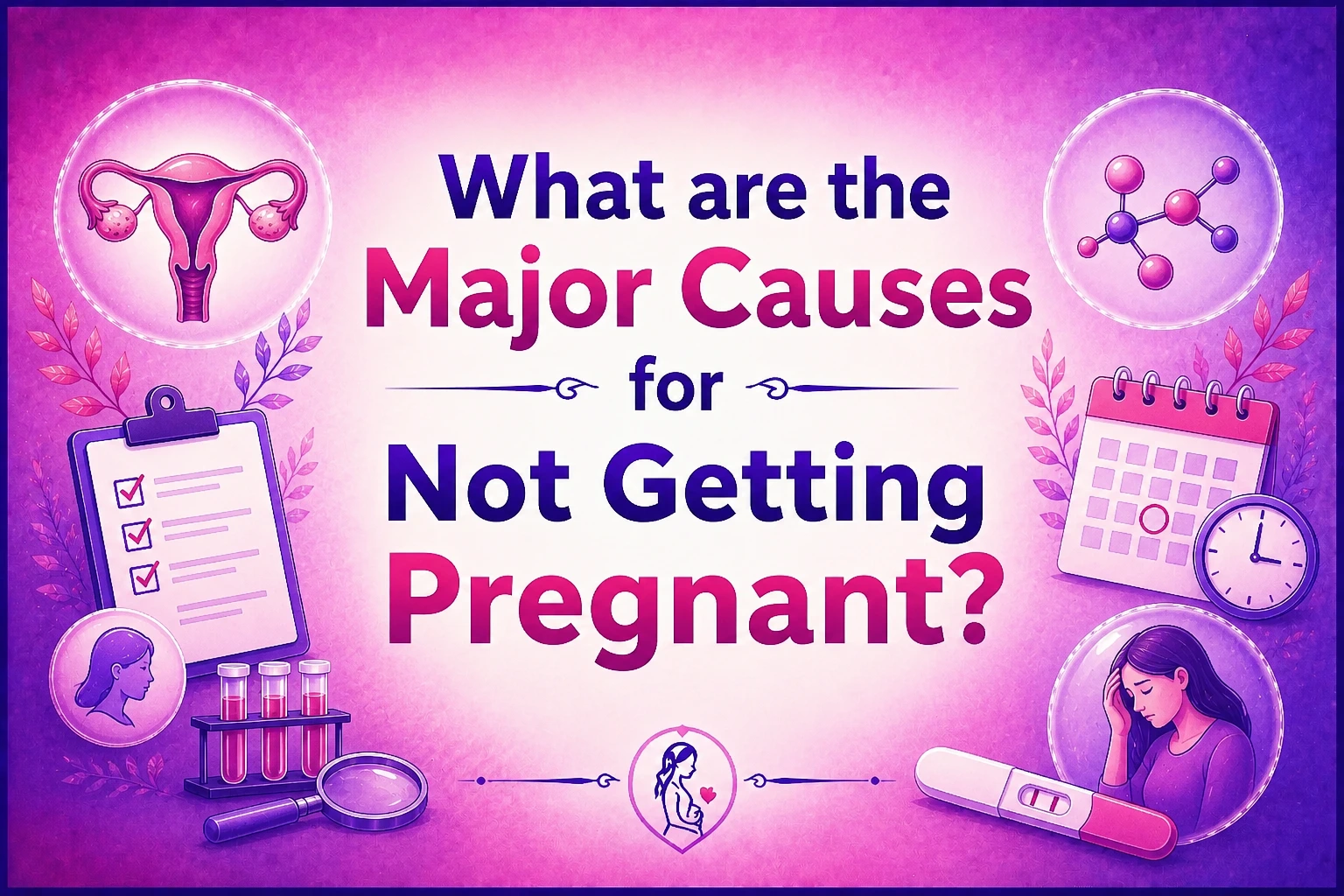
What are the Major Causes for Not Getting Pregnant?
For many couples, trying to conceive is an exciting journey. However, when pregnancy does not happen despite regular unprotected intercourse, it can become emotionally stressful and confusing. Understanding what are the major causes for not getting pregnant is the first step toward finding the right treatment and improving fertility outcomes.
Infertility can affect both men and women, and in many cases, the causes are treatable with timely medical guidance. At Dr Madhumita Patel, couples receive compassionate and personalized fertility care designed to identify the root cause and create an effective treatment plan. Dr. Madhumita Patel specializes in fertility management, high risk pregnancy care, and women's reproductive health.
Understanding Infertility
Infertility is generally defined as the inability to conceive after one year of regular unprotected intercourse. For women above 35 years of age, fertility evaluation is usually recommended after six months of trying.
There are several possible reasons behind infertility. Some may be related to ovulation, hormones, reproductive organs, sperm health, age, or lifestyle habits. In certain cases, couples may experience unexplained infertility where standard tests appear normal.
Common Causes of Female Infertility
Ovulation Disorders
One of the most common answers to what are the major causes for not getting pregnant is irregular or absent ovulation. If the ovaries do not release eggs regularly, conception becomes difficult.
Conditions linked to ovulation problems include:
- PCOS or Polycystic Ovary Syndrome
- Thyroid disorders
- Hormonal imbalance
- Premature ovarian insufficiency
Women with irregular periods, acne, weight gain, or excessive hair growth may be experiencing ovulation related fertility issues.
Polycystic Ovary Syndrome or PCOS
PCOS is a leading cause of female infertility problems. It affects hormone levels and disrupts regular ovulation. Many women with PCOS can successfully conceive with proper fertility management, weight control, medication, and ovulation monitoring.
Blocked Fallopian Tubes
Fallopian tubes help the egg and sperm meet for fertilization. If the tubes are blocked due to infection, endometriosis, pelvic inflammatory disease, or previous surgery, pregnancy may not occur naturally.
Endometriosis
Endometriosis occurs when tissue similar to the uterine lining grows outside the uterus. It can affect the ovaries, fallopian tubes, and pelvic organs, leading to pain and infertility.
Age Related Fertility Decline
Female fertility naturally decreases with age, especially after 35 years. Egg quantity and quality decline over time, increasing the difficulty of conception and raising miscarriage risk.
Uterine Problems
Fibroids, uterine polyps, or abnormalities in the uterus may interfere with embryo implantation and pregnancy development.
Common Causes of Male Infertility
Infertility is not only a female concern. Male infertility causes contribute to nearly half of infertility cases.
Low Sperm Count
A low sperm count reduces the chances of fertilization. Poor sperm production may occur due to hormonal imbalance, infections, or medical conditions.
Poor Sperm Motility
Even if sperm count is normal, sperm may not swim properly toward the egg. Reduced motility can significantly impact fertility.
Abnormal Sperm Shape
Sperm with abnormal structure may struggle to fertilize the egg effectively.
Lifestyle and Medical Factors
Smoking, alcohol, obesity, stress, diabetes, infections, and exposure to toxins can negatively affect male fertility.
Lifestyle Factors That Affect Fertility
Lifestyle choices often play a major role in fertility health. Couples trying to conceive should focus on improving overall wellness.
Factors that may reduce fertility include:
- Smoking and tobacco use
- Excessive alcohol consumption
- Obesity or being underweight
- Chronic stress
- Poor sleep patterns
- Lack of physical activity
- Unhealthy diet
Maintaining a healthy lifestyle can improve natural fertility and treatment success rates.
When Should You See a Fertility Specialist?
You should consider consulting a fertility expert if:
- You are under 35 and unable to conceive after one year
- You are above 35 and trying for six months without success
- You have irregular periods
- You have a history of miscarriage
- You have PCOS or endometriosis
- There are known sperm issues
Early diagnosis can help identify the reasons for not getting pregnant and prevent unnecessary delays in treatment.
Diagnosis and Fertility Evaluation
At Dr Madhumita Patel Clinic, fertility evaluation may include:
- Hormonal blood tests
- Ovulation tracking
- Ultrasound examination
- Semen analysis
- Fallopian tube testing
- Advanced fertility assessment
Dr. Madhumita Patel provides individualized fertility care based on each couple's medical history and reproductive goals.
Treatment Options for Infertility
Treatment depends on the underlying cause of infertility.
Ovulation Induction
Medicines may be used to stimulate egg release in women with ovulation disorders.
Lifestyle Modification
Weight management, healthy eating, exercise, and stress reduction can improve fertility naturally.
IUI Treatment
Intrauterine insemination or IUI may help couples with mild fertility issues.
IVF Treatment
IVF is an advanced fertility treatment where fertilization occurs outside the body before embryo transfer into the uterus.
Surgical Treatment
Some women may require surgery for fibroids, endometriosis, or blocked tubes.
How Dr. Madhumita Patel Helps Couples Achieve Parenthood
Dr. Madhumita Patel is an experienced obstetrician and gynecologist with expertise in fertility management, pregnancy care, and women's health. She offers personalized treatment plans based on individual fertility challenges and reproductive goals.
Her approach focuses on:
- Accurate diagnosis
- Compassionate counseling
- Evidence based fertility care
- Advanced reproductive treatment options
- Continuous support throughout the fertility journey
Couples seeking fertility treatment in Delhi can consult Dr. Madhumita Patel for comprehensive reproductive healthcare and fertility guidance.
Conclusion
Understanding what are the major causes for not getting pregnant can help couples take informed steps toward parenthood. Fertility problems can arise from ovulation disorders, PCOS, age related factors, blocked tubes, sperm abnormalities, or lifestyle habits. The good news is that many infertility causes are treatable with timely medical care and personalized fertility management.
If you are struggling to conceive, seeking expert guidance from Dr Madhumita Patel can help identify the root cause and provide the right fertility treatment plan for your needs.
Frequently Asked Questions
1. What is the most common reason for not getting pregnant?
Ovulation problems such as PCOS are among the most common causes of infertility in women.
2. Can stress affect fertility?
Yes, chronic stress may affect hormone balance and ovulation, reducing fertility chances.
3. When should I consult a fertility specialist?
If you are unable to conceive after one year of trying, or after six months if you are above 35, consult a fertility expert.
4. Can male infertility cause pregnancy problems?
Yes, male infertility factors such as low sperm count or poor motility contribute to many infertility cases.
5. Is infertility treatable?
Many infertility causes can be treated successfully with medication, lifestyle changes, IUI, IVF, or surgery depending on the condition.
If you are looking for the best gynecologist in Delhi? Contact Dr. Madhumita Patel today!!!
Call Now: +91 9870267117, +91 8287939446
Clinic Address: Dr. Madhumita's Women Healthcare, 2441, D-2, Near Exit Gate 2, Vasant Kunj