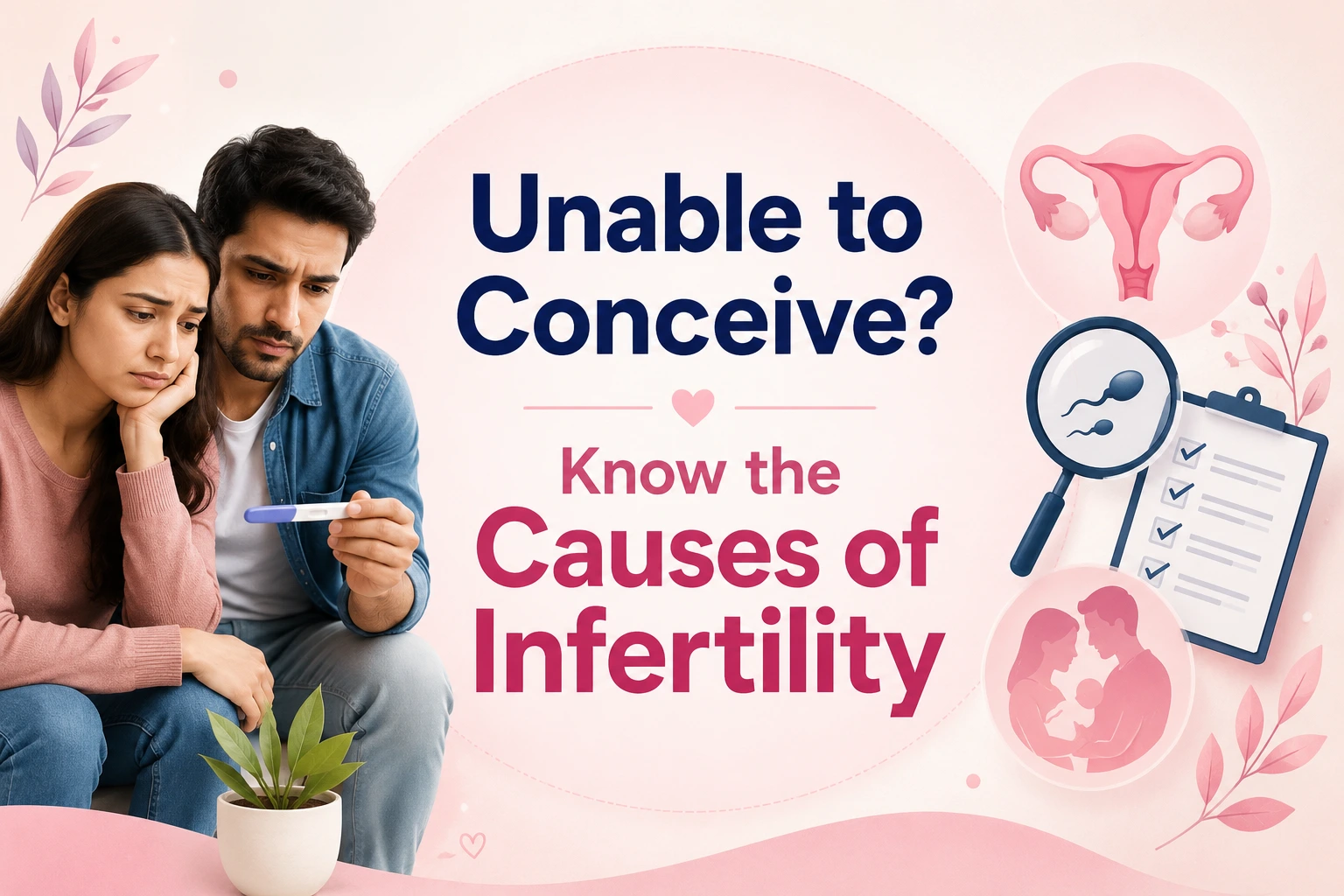
Unable to Conceive? Know the Causes of Infertility
Becoming parents is one of the most emotional and meaningful journeys in life. But for many couples, trying to conceive without success can slowly become stressful, confusing, and emotionally exhausting. If you have been trying for pregnancy for several months and are still unable to conceive, it is important to understand that infertility is a medical condition and timely medical guidance can make a significant difference.
Infertility affects both men and women, and in many cases, the causes are treatable with the right diagnosis and care. Understanding the causes of infertility can help couples take informed steps toward successful treatment and a healthy pregnancy.
At Dr. Madhumita Patel's Clinic, couples receive compassionate and evidence based fertility care tailored to their individual needs.
What Is Infertility?
Infertility is generally defined as the inability to conceive naturally after one year of regular unprotected intercourse. For women above the age of 35, evaluation is usually recommended after six months of trying.
Infertility can be due to female factors, male factors, or a combination of both. In some cases, the exact cause may remain unexplained despite normal reports.
Common Causes of Female Infertility
Several medical and lifestyle related conditions can affect a woman's fertility.
Ovulation Disorders
Problems with ovulation are among the most common causes of infertility in women. If ovulation does not happen regularly, the chances of pregnancy reduce significantly.
Conditions that can affect ovulation include:
- PCOS or Polycystic Ovary Syndrome
- Hormonal imbalance
- Thyroid disorders
- Excessive stress
- Obesity or sudden weight loss
Women with irregular periods, missed cycles, or hormonal acne may require fertility evaluation.
PCOS and Infertility
PCOS is a common hormonal condition that affects ovulation and egg quality. Women with PCOS often experience irregular menstrual cycles, weight gain, acne, or excess facial hair.
With proper lifestyle management and fertility treatment, many women with PCOS are able to conceive successfully.
Blocked Fallopian Tubes
The fallopian tubes help the egg and sperm meet for fertilization. If the tubes are blocked due to infection, endometriosis, or previous surgery, pregnancy may become difficult.
Tubal blockage may not show obvious symptoms and often requires specialized fertility testing for diagnosis.
Endometriosis
Endometriosis occurs when tissue similar to the uterine lining grows outside the uterus. This condition can affect the ovaries, fallopian tubes, and pelvic organs, leading to pain and infertility.
Common symptoms include:
- Painful periods
- Pelvic pain
- Pain during intercourse
- Difficulty conceiving
Early diagnosis can improve fertility outcomes.
Uterine Problems
Certain conditions affecting the uterus may interfere with implantation or pregnancy.
These include:
- Fibroids
- Uterine polyps
- Congenital uterine abnormalities
- Scar tissue inside the uterus
Treatment depends on the size, location, and severity of the condition.
Age Related Fertility Decline
A woman's fertility naturally decreases with age, especially after 35 years. Egg quality and ovarian reserve decline over time, making conception more challenging.
Women planning delayed pregnancy should consider timely fertility consultation and reproductive health assessment.
Common Causes of Male Infertility
Male infertility contributes to nearly half of infertility cases. A simple semen analysis can help identify many male fertility issues.
Low Sperm Count
Low sperm count reduces the chances of fertilization. Causes may include:
- Smoking
- Alcohol consumption
- Hormonal imbalance
- Varicocele
- Infections
- Poor lifestyle habits
Poor Sperm Motility
Even if sperm count is normal, poor sperm movement can make it difficult for sperm to reach the egg.
Hormonal Problems in Men
Hormonal disorders affecting testosterone or reproductive hormones may impact sperm production and fertility.
Lifestyle Factors
Stress, lack of sleep, obesity, poor nutrition, excessive heat exposure, and substance use can negatively affect male fertility.
Unexplained Infertility
In some couples, all fertility reports may appear normal, yet pregnancy does not occur. This is known as unexplained infertility.
Although frustrating, many couples with unexplained infertility achieve pregnancy with lifestyle modifications, ovulation support, or assisted reproductive treatments.
Signs That You Should See a Fertility Specialist
You should consult a fertility expert if:
- You are unable to conceive after one year
- Your periods are irregular
- You are above 35 and trying for over six months
- You have PCOS or endometriosis
- You have experienced repeated miscarriages
- There is a known male fertility issue
Timely evaluation helps identify the underlying problem and improves treatment success rates.
How Is Infertility Diagnosed?
Infertility evaluation usually includes:
- Medical history review
- Hormonal blood tests
- Ultrasound scans
- Ovulation tracking
- Semen analysis
- Tubal patency tests
At Dr. Madhumita Patel's Clinic, fertility evaluation is performed with a personalized and patient friendly approach.
Treatment Options for Infertility
The treatment depends on the cause of infertility, age, and overall reproductive health.
Common infertility treatments include:
- Lifestyle modifications
- Ovulation induction
- Hormonal treatment
- Management of PCOS
- Treatment for thyroid disorders
- Laparoscopic surgery
- Intrauterine insemination
- IVF treatment when required
Many couples are able to conceive successfully with early diagnosis and proper medical care.
Why Choose Dr. Madhumita Patel for Infertility Treatment?
Dr. Madhumita Patel is an experienced gynecologist and infertility specialist with over 20 years of expertise in women's healthcare and reproductive treatment. She specializes in fertility care, high risk pregnancy management, PCOS treatment, and minimally invasive gynecological procedures.
Her patient centered approach focuses on:
- Accurate diagnosis
- Ethical treatment plans
- Emotional support for couples
- Personalized fertility care
Final Thoughts
Being unable to conceive can feel emotionally overwhelming, but infertility is more common than many people realize. The good news is that modern fertility treatments and early medical intervention have helped countless couples achieve healthy pregnancies.
If you are struggling with infertility symptoms or trying to get pregnant without success, do not ignore the signs. Seeking expert guidance at the right time can improve your chances of conception and reduce unnecessary stress.
FAQs
1. How long should we try before seeing a fertility specialist?
Couples below 35 years should consult a fertility specialist after one year of trying to conceive naturally. Women above 35 should seek medical advice after six months.
2. Can PCOS cause infertility?
Yes, PCOS can affect ovulation and reduce the chances of pregnancy. However, with proper treatment and lifestyle management, many women with PCOS conceive successfully.
3. Is infertility only a women's problem?
No, infertility can affect both men and women. Male fertility issues contribute to nearly half of infertility cases.
4. What are the common signs of infertility?
Irregular periods, hormonal imbalance, painful periods, repeated miscarriages, and difficulty conceiving are some common infertility symptoms.
5. Can infertility be treated successfully?
Yes, many infertility cases can be treated with medications, lifestyle changes, fertility procedures, or advanced reproductive treatments depending on the cause.
If you are looking for the best gynecologist in Delhi? Contact Dr. Madhumita Patel today!!!
Call Now: +91 9870267117, +91 8287939446
Clinic Address: Dr. Madhumita's Women Healthcare, 2441, D-2, Near Exit Gate 2, Vasant Kunj